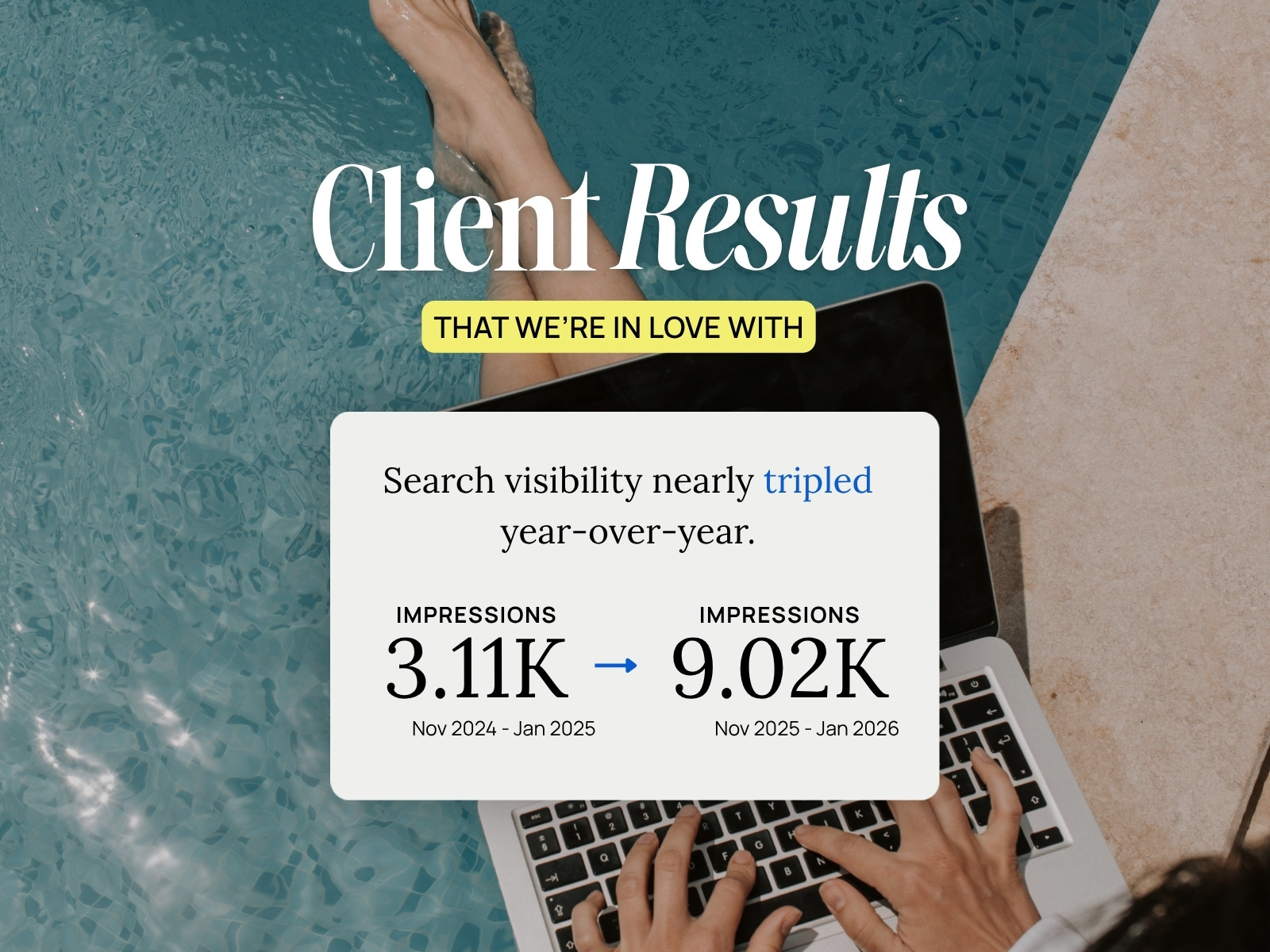

What makes a high-performing, strategic web design?
A strategic web design clearly communicates what a business does, builds trust quickly, and makes navigation effortless. It uses structured content, strong messaging, and intentional design to help search engines, AI tools, and users understand when to engage and take action.
Your Website Is Not a Brochure. It Is a Growth Engine.
Most businesses don’t have a traffic problem. They have a website problem.
I hear this all the time: “We just need help getting more people to the site.”
Fair. That sounds right. Then we open the website, and within seconds, the issues show up. You can’t quite tell what the company does. The messaging sounds nice but could apply to almost anyone. “We” language takes over, navigation takes effort, and users end up clicking around trying to piece things together. The visuals feel inconsistent, a mix of generic stock and decent brand images.
Overall, nothing is broken, but nothing is working.
The Big Mistake
This is where things go sideways.
You can invest in ads, social, and SEO all day long. But when people land on your site and have to work to understand you, they won’t. They leave quietly. Not because they weren’t a fit, but because the site didn’t help them see that they were.
That’s where your time and money disappear.
At the same time, most websites ignore how people search today. Search engines and AI tools don’t care about clever design. They scan for structure, clarity, relevance, and depth. They want to understand who you serve, what you offer, and when to surface you.
If your content feels thin, vague, or unstructured, you won’t show up. Or worse, you show up for the wrong things. Either way, the site exists but does nothing for the business.
What You Actually Want
You want something very different.
You want a site that shows up when the right people search, makes sense within seconds, builds trust quickly, and guides visitors toward the next step.
A good website does more than look nice, it pulls its weight. Its job is to move people toward action, whether that’s reaching out, requesting a quote, or starting a conversation.
It may feel simple on the surface, but it’s highly intentional underneath. At Lucera, that’s where we focus. We think through structure, shape the message carefully, and make sure every page leads somewhere on purpose.
The Questions Your Website Needs to Answer
When your site works, every visitor runs the same mental checklist.
They may not say it out loud, but they’re asking:
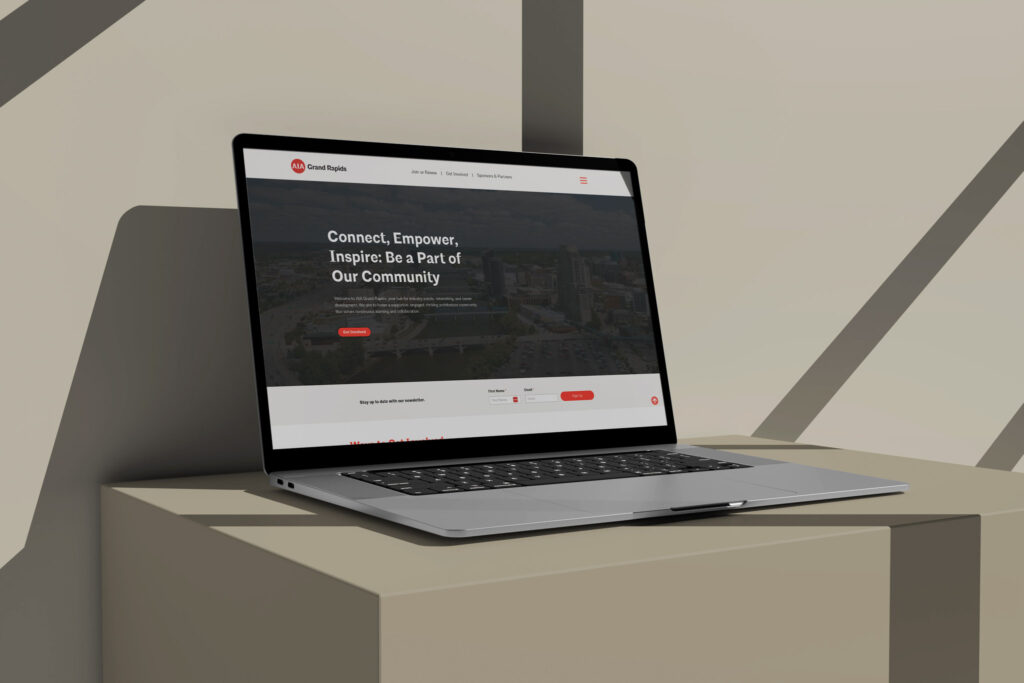
- Can I clearly understand what they do?
- Do I trust their capabilities?
- Are they the right partner for an organization like ours?
- Can I find what I need without friction?
Answer those well and people stay, they explore, and they take the next step. Miss them, and they leave. Not with a strong opinion, just enough uncertainty to move on. And in most cases, uncertainty means they choose someone else.
What Gets in the Way
Every business wants a website that works, so why do so many fall short?
It’s not always an effort issue. It’s usually a series of small decisions that feel right in the moment but don’t hold up strategically. Over time, those decisions stack up and create a site that underperforms and quietly erodes credibility. Here are some common mistakes we see businesses making today.
First mistake: Following every design trend
We love creative web design. It pushes thinking. But not every trend fits every business.
Too often, companies chase trends that prioritize simplicity over clarity. Clean layouts, minimal copy, bold statements that sound good but say very little. It looks modern, but it leaves people guessing.
Second mistake: Content is too company-focused
Many sites lean heavily on who you are, what you value, and how you work. That matters, but it’s not what your customer needs first.
They want to understand what you can do for them. If they can’t find that quickly, they move on.
Third mistake: Messy navigation
Navigation creates friction faster than most people realize. Pages get added, menus expand, and what once felt simple becomes overwhelming.
Remember, the more users have to think, the faster they leave.
Quick side note. Stop linking to your social channels at the top of your site. You worked hard to get people there. Don’t give them an easy exit.
Fourth mistake: Structure doesn’t support SEO and AI
Structure often gets overlooked because it’s not visible, but it matters.
For instance, many sites don’t organize content in a way that helps search engines or AI tools understand it. The pages lack depth, topics feel unclear, and the cost is that authority never builds.
While each issue may feel small on its own, together, they create a disconnect between what you offer and what users experience. The result is a site that looks fine but fails to guide, rank, or convert.
Where Strategy Changes Everything
This is where intention changes everything.
At Lucera, we don’t start with design. We start with clarity.
Who are you trying to reach? What do they need to understand first? What questions are they asking before they reach out? How should the site guide them from curiosity to confidence?
Answer those, and everything else follows.
We structure messaging so it’s clear and easy to follow. We organize the site so users and search engines can navigate it naturally. We design to support the message, not compete with it. Then we build content with enough depth to establish authority and improve visibility.
It’s not about adding more. It’s about aligning what’s already there so it works together.
When that happens, the shift is obvious. The site becomes easier to find, easier to understand, easier to trust, and easier to act on.
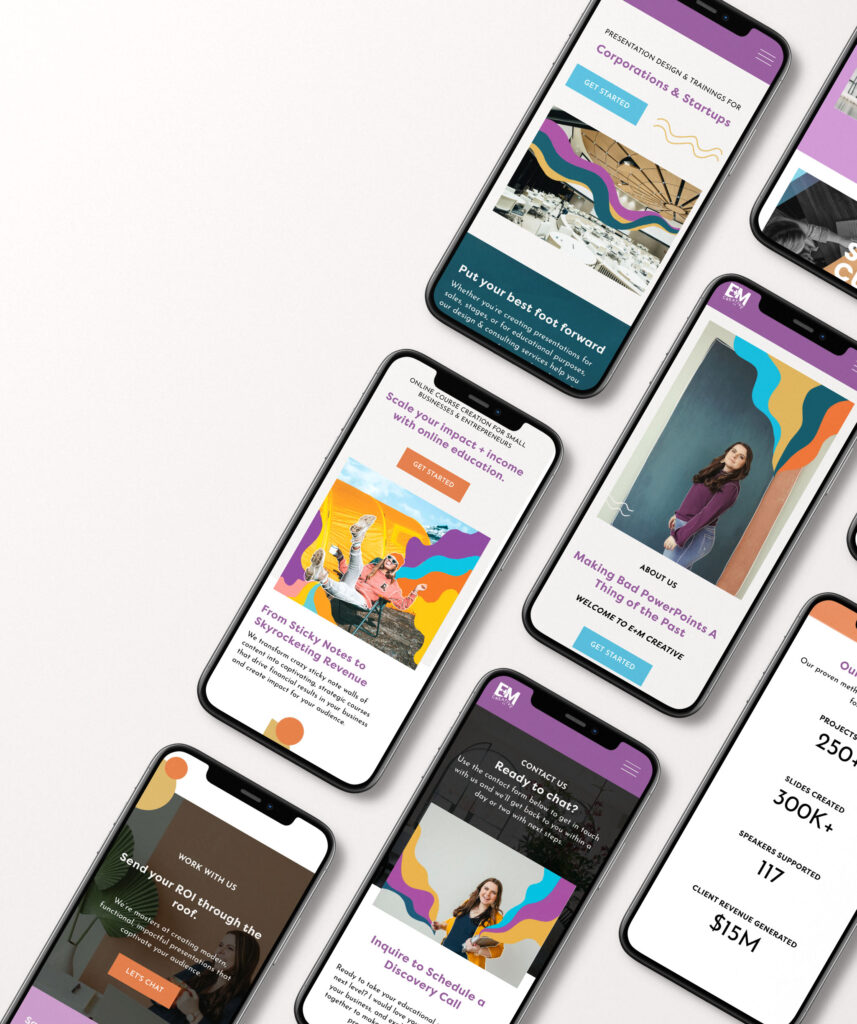
A Better Way to Think About Your Website
Your website is not just a marketing asset. It plays a role in how your business operates. It shapes first impressions, it supports your sales process, and it works behind the scenes to bring the right people to you.
When built with intention, it becomes something you rely on, not something you work around.
Let’s Build Something That Works
If your website isn’t pulling its weight, you’re not alone. Most businesses reach a point where their current site no longer supports where they’re going.
That’s usually the right moment to step back and rethink how it all fits together.
At Lucera, we partner with teams to bring clarity to their brand, structure to their messaging, and strategy to their digital presence so everything works as one system.
If you’re ready for a site that looks strong and drives real growth, let’s start a conversation.
FAQs
Why isn’t my website showing up on Google?
Most websites lack structured content, clear messaging, and keyword depth. Without those elements, search engines struggle to understand and rank your site. This is something Lucera can help you with.
What makes a website convert visitors into customers?
Clear messaging, strong calls to action, intuitive navigation, and trust-building elements like case studies and proof points help turn visitors into customers.
How often should a website be updated?
Review your website regularly and plan for minor updates on a monthly basis and more meaningful updates every 2 to 3 years to stay aligned with design standards, SEO best practices, and user behavior. We’d also recommend a content strategy that drives inbound traffic.